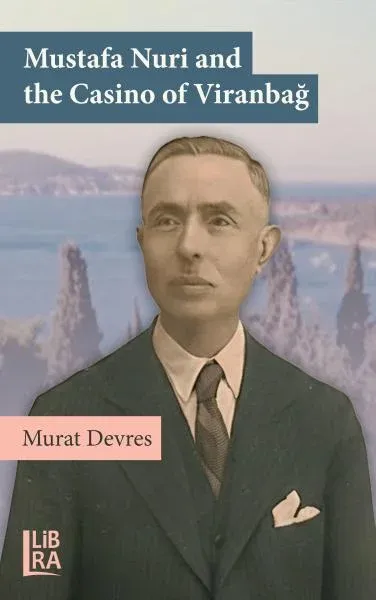
This monograph offers a multi-angle inquiry into modern Turkish cultural history through the intertwined lives of a man and a place: the Ottoman lawyer-entrepreneur Mustafa Nuri and the Viranbağ casino on Büyükada (Prinkipo). Using this microhistory to illuminate larger patterns, it engages five strands that merit further study in their own right: the history of casino/entertainment culture in Türkiye, the cultural history of Büyükada, the biography of Mustafa Nuri, the evolution of vakıf institutions, and the history of forestry. The central concern is everyday life in western Eurasia during the age of nationalism—especially in the Aegean and the Propontis—amid the frictions of Greek and Turkish national projects. Confronting Greek nationalism in Crete and occupied İzmir, and Turkish nationalism in the early Second World War years, Mustafa Nuri ultimately sought refuge in the familiar social world of Viranbağ. Like its proprietor, the casino was an “islander,” and its fortunes rose and fell with nationalist politics. Their shared trajectory provides the lens through which this study reconsiders space, identity, and economy in the late Ottoman and early Republican eras.
Table of Contents
Abbreviations
Acknowledgments
Introduction: A Man, a Place, and the Political Economy of Leisure
Part I
Approach & Sources
Historiography and Literature
Method and Heuristics
Sources, Maps, and Spatial Method
Part II
Viranbağ and the Island World
Büyükada (Prinkipo): Geography, Economy and Viticulture
Entertainment Culture in Late Ottoman and Early Republican Istanbul
Casinos of the Princes’ Islands
Viranbağ: Site, Permits, and Operations
Part III
Mustafa Nuri: Life Across Nationalisms
Biography and Genealogy
Islander by birth: Childhood in Crete
Torn by Conflicting Nationalisms: Crete and Occupied İzmir
Islander Reborn: Olden Days in Büyükada
Part IV
Institutions and Environments
Vakıf: A Brief History
Vakıf in the Turkish Republic
The Mustafa Nuri Devres Vakfı/Tesisi
The Forest: Law, Resources, and Island Ecology
Conclusion: Viranbağ as Lens on Space, Identity, and Economy