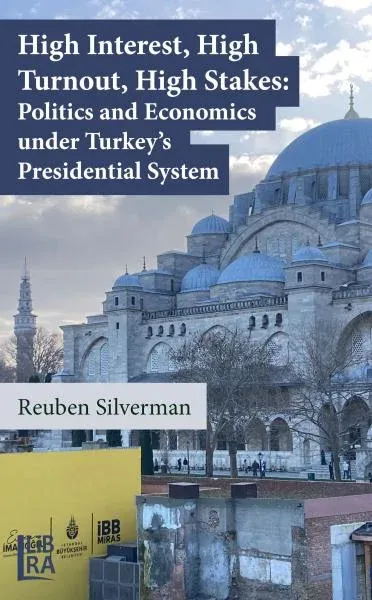
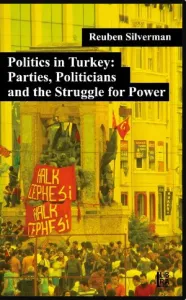
In a 2017 referendum, voters in Turkey narrowly approved constitutional changes to centralize political power in the office of the president. The changes would go into effect following the 2018 presidential and parliamentary elections. The promise of this new system was a more unified decision-making process and greater stability. In practice, however, the first presidential term under this new system (2018-2023) was turbulent. The essays collected in this book provide a variety of perspectives on the contentious politics of this era.
During these years, tensions increased between Turkey and neighboring countries as well as with the United States. The country was buffeted by crises including a global pandemic. At the same time, Turkey’s newly-empowered, president, Recep Tayyip Erdoğan, sought to assert his independence from the discipline of financial markets by taking a hard line against interest rate increases. Yet, amid so much global uncertainty and tension, this policy contributed to rapid inflation, voter discontent, and dramatic loses for Turkey’s ruling Justice and Development Party at the municipal level.
Through analyses of elections, profiles of influential political leaders, and an in-depth history of Turkey’s Central Bank, this book offers readers a window into a dramatic and profoundly important period in Turkey’s recent history.